Ingredients
Scale
- 1 pound Lump Crab Meat, Fresh or Pasteurized (not imitation): The star of the show! When it comes to crab meat, quality is paramount. Lump crab meat, known for its large, tender pieces and sweet, delicate flavor, is the ideal choice for crab cakes. Opt for fresh crab meat if it’s readily available and in season. If using pasteurized crab meat, ensure it’s stored correctly and hasn’t passed its expiration date. Avoid imitation crab meat (surimi) entirely, as it lacks the authentic crab flavor and texture we’re aiming for. For a richer flavor and slightly more budget-friendly option, you can use a combination of lump and claw crab meat. Claw meat has a stronger, more pronounced crab flavor and a slightly shredded texture, which can add depth to your crab cakes. Be meticulous in picking through the crab meat to remove any stray pieces of shell or cartilage. This step, while slightly time-consuming, is essential for ensuring a pleasant eating experience and preventing any unexpected crunchy surprises.
- 1/2 cup Panko Bread Crumbs, plus more for coating: Panko bread crumbs are a game-changer for achieving that coveted crispy exterior on your crab cakes. Their larger, flakier texture creates a lighter and airier coating compared to regular bread crumbs, resulting in a delightful crunch without becoming heavy or dense. We use panko both in the crab cake mixture and for coating. Incorporating panko into the mixture helps bind the ingredients together while maintaining a tender interior. For coating, panko creates a beautiful golden-brown crust when pan-fried or baked. If you don’t have panko on hand, you can use regular bread crumbs, but the texture will be slightly different. For gluten-free options, consider using gluten-free panko or finely ground almond flour for the coating.
- 1/4 cup Mayonnaise: Mayonnaise serves as a crucial binder and adds moisture and richness to the crab cakes. It helps hold the ingredients together, preventing them from becoming dry or crumbly. Use a good quality, full-fat mayonnaise for the best flavor and texture. Reduced-fat mayonnaise can be used, but it may slightly alter the richness and moisture content. For a tangier flavor profile, consider using a flavored mayonnaise, such as lemon-dill mayonnaise, to complement the zesty theme of the recipe.
- 2 tablespoons Dijon Mustard: Dijon mustard is the secret weapon for adding a subtle tang and depth of flavor to these crab cakes. Its sharp, slightly pungent notes cut through the richness of the crab meat and mayonnaise, creating a more balanced and complex flavor profile. Dijon mustard also acts as a binder and emulsifier, helping to create a smoother and more cohesive crab cake mixture. If you prefer a milder flavor, you can substitute with yellow mustard, but Dijon mustard is highly recommended for its distinctive character. For a spicier kick, consider using a stone-ground mustard with horseradish.
- 1 large Egg, lightly beaten: The egg is another essential binder in this recipe, working in conjunction with the mayonnaise and bread crumbs to hold the crab cakes together. It provides structure and helps prevent the crab cakes from falling apart during cooking. Lightly beating the egg ensures it incorporates evenly into the mixture. For egg allergies or vegan alternatives, you can use a flax egg (1 tablespoon flaxseed meal mixed with 3 tablespoons water, let sit for 5 minutes to thicken) or a commercial egg replacer.
- 2 tablespoons Fresh Lemon Juice: Fresh lemon juice is the key to the “zesty” in Zesty Mini Crab Cakes. Its bright, acidic flavor enhances the sweetness of the crab meat and adds a refreshing zing that elevates the entire dish. Always use freshly squeezed lemon juice for the best flavor; bottled lemon juice often lacks the same vibrancy and freshness. Lemon juice also helps to balance the richness of the mayonnaise and mustard. Don’t be shy with the lemon juice – it’s a crucial element in creating that signature zesty flavor.
- 1 tablespoon Lemon Zest: Lemon zest adds another layer of bright, citrusy flavor and aromatic complexity. The zest contains the lemon’s essential oils, which are packed with flavor and aroma. Use a microplane or fine grater to zest the lemon, being careful to only grate the yellow part of the peel and avoid the bitter white pith underneath. The combination of lemon juice and zest provides a more nuanced and intense lemon flavor compared to using just lemon juice alone.
- 1 tablespoon Worcestershire Sauce: Worcestershire sauce might seem like an unexpected ingredient in crab cakes, but it adds a subtle umami depth that enhances the overall flavor. Its complex blend of flavors – savory, tangy, sweet, and slightly spicy – adds a richness and complexity that elevates the crab cakes beyond just simple seafood appetizers. Don’t skip the Worcestershire sauce; it makes a noticeable difference in the final flavor profile.
- 1 teaspoon Old Bay Seasoning: Old Bay seasoning is a classic seafood seasoning that perfectly complements crab meat. Its blend of spices, including celery salt, paprika, and black pepper, adds a savory and slightly spicy kick that enhances the natural flavors of the crab. Old Bay is a staple in many crab cake recipes, and for good reason – it provides a distinctive and delicious flavor profile that is synonymous with seafood dishes. If you don’t have Old Bay, you can create a similar blend using celery salt, paprika, black pepper, and a pinch of cayenne pepper.
- 1/2 teaspoon Hot Sauce (such as Tabasco or your favorite brand): A touch of hot sauce adds a subtle warmth and spice that balances the richness of the crab and other ingredients. It doesn’t make the crab cakes overly spicy, but rather provides a pleasant background heat that enhances the overall flavor complexity. Use your favorite hot sauce – Tabasco, Frank’s RedHot, or even a milder chili sauce will work. Adjust the amount of hot sauce to your preference; if you prefer less spice, start with a smaller amount and taste the mixture before forming the crab cakes.
- 2 tablespoons Fresh Parsley, finely chopped: Fresh parsley adds a pop of fresh, herbaceous flavor and a touch of color to the crab cakes. Its bright, slightly peppery notes complement the seafood and other seasonings. Finely chop the parsley so it distributes evenly throughout the mixture. Other fresh herbs, such as chives or dill, can also be added or substituted for parsley to customize the flavor profile.
- 2 tablespoons Unsalted Butter: Butter is used for pan-frying the crab cakes, imparting a rich, buttery flavor and helping to achieve a golden-brown, crispy exterior. Unsalted butter allows you to control the saltiness of the dish. You can also use a combination of butter and olive oil for pan-frying; the butter provides flavor, while the olive oil has a higher smoke point and can help prevent the butter from burning.
- 2 tablespoons Olive Oil (optional, for pan-frying): Olive oil, used in combination with butter or on its own, is another option for pan-frying the crab cakes. It provides a neutral flavor and helps to create a crispy exterior. Extra virgin olive oil can be used, but regular olive oil is also suitable for pan-frying.
- Salt and Black Pepper to taste: Seasoning is crucial to bring out the flavors of all the ingredients. Taste the crab cake mixture before forming the patties and adjust the salt and black pepper to your preference. Remember that Old Bay seasoning already contains salt, so season judiciously. Freshly ground black pepper is recommended for its more robust flavor compared to pre-ground pepper.
Instructions
- Gently Prepare the Crab Meat: Begin by carefully examining the crab meat for any remaining shell fragments or cartilage. This is a crucial step to avoid any unpleasant surprises while enjoying your crab cakes. Gently pick through the crab meat, being mindful not to break up the delicate lumps too much. We want to maintain some texture in the final product. Place the cleaned crab meat in a large mixing bowl.
- Combine Wet Ingredients: In a separate medium-sized bowl, whisk together the mayonnaise, Dijon mustard, lightly beaten egg, fresh lemon juice, lemon zest, Worcestershire sauce, hot sauce, and Old Bay seasoning. Whisk until all ingredients are well combined and emulsified, creating a smooth and flavorful base for our crab cake mixture. This pre-mixing ensures even distribution of flavors throughout the crab cakes.
- Incorporate Wet into Dry (Carefully!): Pour the wet ingredient mixture over the prepared crab meat in the large mixing bowl. Gently fold the wet ingredients into the crab meat using a rubber spatula or your hands. Be careful not to overmix at this stage. Overmixing can break down the delicate crab meat and result in tough crab cakes. We want to combine the ingredients just until they are evenly moistened.
- Add Bread Crumbs and Parsley: Sprinkle the 1/2 cup of panko bread crumbs and the finely chopped fresh parsley over the crab and wet ingredient mixture. Again, gently fold these ingredients into the mixture until just combined. The bread crumbs will help bind the mixture together, and the parsley will add freshness and flavor. Avoid overmixing to maintain the tender texture of the crab cakes.
- Chill the Mixture (Crucial for Shaping): Cover the bowl tightly with plastic wrap and refrigerate the crab cake mixture for at least 30 minutes, or up to 1 hour. Chilling is a critical step as it allows the mixture to firm up, making it much easier to shape into mini crab cakes. Chilling also helps the flavors meld together and enhances the overall texture of the final product.
- Shape into Mini Crab Cakes: Once chilled, remove the crab cake mixture from the refrigerator. Line a baking sheet with parchment paper. Using a tablespoon or a small cookie scoop, portion out the crab cake mixture and gently shape it into mini patties, about 1-1.5 inches in diameter and about 1/2 inch thick. Place the shaped crab cakes onto the prepared baking sheet. Aim for uniform size and shape for even cooking.
- Coat with Panko (for Extra Crispness): Place the remaining panko bread crumbs in a shallow dish. Gently roll each mini crab cake in the panko bread crumbs, pressing lightly to ensure they adhere evenly to all sides. This extra coating of panko will create a beautifully crispy crust when pan-fried or baked.
- Pan-Fry or Bake (Your Choice): You have two cooking options: pan-frying for a golden-brown crust or baking for a slightly healthier approach.
- Pan-Frying: Heat the unsalted butter and olive oil (if using) in a large skillet over medium heat until the butter is melted and shimmering. Carefully place the panko-coated mini crab cakes in the hot skillet, being careful not to overcrowd the pan. Work in batches if necessary. Cook for 3-4 minutes per side, or until golden brown and heated through. The internal temperature should reach 145°F (63°C).
- Baking: Preheat oven to 375°F (190°C). Place the panko-coated mini crab cakes on a baking sheet lined with parchment paper. Drizzle or brush lightly with melted butter or olive oil (optional, for added browning and flavor). Bake for 15-20 minutes, or until golden brown and heated through. The internal temperature should reach 145°F (63°C).
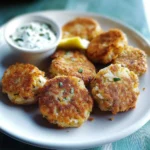
- Serve Immediately: Once cooked, carefully remove the Zesty Mini Crab Cakes from the skillet or oven. Serve them immediately while they are hot and crispy. Garnish with fresh parsley sprigs or lemon wedges, if desired. Serve with your favorite dipping sauce (see serving suggestions below) and enjoy!
Nutrition
- Serving Size: one normal portion
- Calories: 150-180
- Sugar: 1-2 grams
- Sodium: 250-350 mg
- Fat: 8-10 grams
- Saturated Fat: 2-3 grams
- Unsaturated Fat: 5-7 grams
- Carbohydrates: 8-10 grams
- Fiber: 1-2 grams
- Protein: 8-10 grams
- Cholesterol: 50-60 mg