
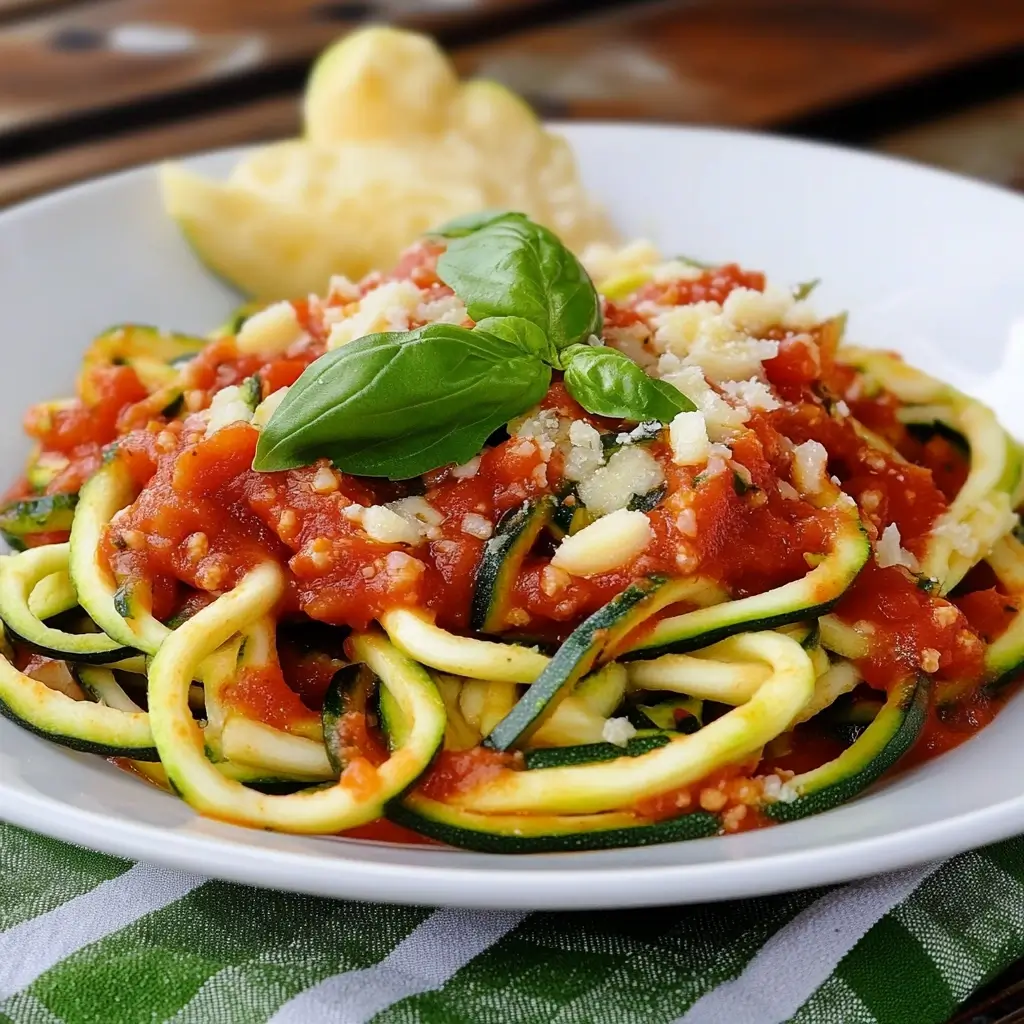
As a busy parent, weeknight dinners can often feel like a daunting task. Between school runs, homework help, and after-school activities, the time to prepare a healthy and appealing meal for the family is often limited. Recently, I stumbled upon a recipe that has become a game-changer in our household: Zucchini Noodles with Marinara. Initially, I was skeptical about how my kids, notorious pasta lovers, would react to zucchini in noodle form. To my surprise, it was a hit! The vibrant green color, the slight sweetness of the zucchini, and the familiar comfort of marinara sauce created a dish that was both nutritious and delicious. Even my pickiest eater devoured it, especially when paired with their favorite meatballs. What truly sold me was how incredibly quick and easy it is to prepare. From spiralizing the zucchini to plating the final dish, it truly takes under 30 minutes, making it a perfect weeknight savior. This recipe has not only become a regular feature on our dinner table but has also opened our eyes to the wonderful world of vegetable noodles. It’s a fantastic way to sneak in extra veggies, reduce carbs, and enjoy a light yet satisfying meal that the whole family will love.
Ingredients
To embark on this culinary adventure of Zucchini Noodles with Marinara, you’ll need a handful of fresh, readily available ingredients. The beauty of this recipe lies in its simplicity and the ability to customize it to your family’s preferences. Here’s a detailed breakdown of each ingredient and some helpful tips to ensure you’re using the best components for your dish:
- 4 Medium Zucchinis: Zucchini forms the heart of this recipe, providing a healthy and delicious base for your “noodles.” Opt for medium-sized zucchinis that are firm to the touch and have smooth, unblemished skin. Larger zucchinis can sometimes be seedy and watery, which might affect the texture of your noodles. When selecting zucchinis, look for a deep green color, indicating freshness. Organic zucchinis are always a great choice if available, as they are grown without synthetic pesticides. Before spiralizing, ensure you wash the zucchinis thoroughly under cool running water and trim off the ends. There’s no need to peel the zucchini as the skin is tender and adds both color and nutritional value. If you find yourself with slightly older zucchinis, you might want to remove the seedy core after spiralizing, as it can be a bit watery.
- 2 Cups Marinara Sauce: A good quality marinara sauce is crucial for bringing flavor and richness to your zucchini noodles. You have the option to use store-bought or homemade marinara sauce. For a quick weeknight meal, store-bought marinara is perfectly acceptable. When choosing a store-bought sauce, look for options with simple ingredient lists, avoiding those with excessive added sugar, salt, or artificial preservatives. Brands that use high-quality tomatoes, olive oil, garlic, and herbs will generally yield the best flavor. If you prefer to make your own marinara sauce, the possibilities are endless! A simple homemade marinara can be made with crushed tomatoes, garlic, onions, olive oil, basil, oregano, salt, and pepper. Making your own sauce allows you to control the ingredients and customize the flavor profile to your liking. For a richer sauce, you can simmer it for a longer period to allow the flavors to meld together beautifully. Whether store-bought or homemade, ensure your marinara sauce is flavorful and well-seasoned, as it’s the primary sauce for your zucchini noodles.
- 1 Pound Cooked Meatballs (Store-Bought or Homemade): Meatballs add protein and heartiness to this dish, making it a more substantial and satisfying meal, especially for growing kids. You have the flexibility to use store-bought or homemade meatballs. Store-bought meatballs are a convenient option for busy weeknights. When choosing store-bought meatballs, opt for those made with quality meat (beef, turkey, or a combination), and check the ingredient list for minimal additives and fillers. Pre-cooked meatballs are readily available in the refrigerated or frozen sections of most supermarkets. If using frozen meatballs, ensure they are fully thawed and heated through according to package instructions before adding them to the marinara sauce. Homemade meatballs, while requiring a bit more effort, are incredibly rewarding in terms of flavor and customization. You can make meatballs using ground beef, ground turkey, ground chicken, or even a vegetarian option with lentils or beans. Season your homemade meatballs with breadcrumbs, eggs, parmesan cheese, garlic, onions, herbs like parsley and oregano, salt, and pepper. You can bake, pan-fry, or simmer your meatballs in the marinara sauce itself. Simmering them directly in the sauce infuses them with flavor and keeps them moist. For a kid-friendly twist, consider smaller-sized meatballs that are easier for children to eat.
- 1 Tablespoon Olive Oil: Olive oil is used for sautéing the zucchini noodles. It adds a subtle richness and prevents the noodles from sticking to the skillet. Extra virgin olive oil is a healthy and flavorful choice. When sautéing zucchini noodles, a tablespoon is usually sufficient, but you may need to adjust slightly depending on the size of your skillet and the amount of zucchini noodles you are cooking at once. Ensure the olive oil is heated properly before adding the zucchini noodles to achieve a nice sauté without letting the oil smoke.
- Salt and Pepper to Taste: Salt and pepper are essential seasonings to enhance the flavors of both the zucchini noodles and the marinara sauce. Season the zucchini noodles with salt and pepper while sautéing to bring out their natural sweetness and balance the flavors. Similarly, taste your marinara sauce and meatballs and adjust the seasoning with salt and pepper as needed. Remember to season in layers, tasting as you go, to avoid over-seasoning. Freshly ground black pepper is always preferable for its more robust flavor compared to pre-ground pepper. For salt, sea salt or kosher salt are excellent choices.
- Optional: Grated Parmesan Cheese for Serving: Parmesan cheese adds a salty, savory, and slightly nutty flavor that complements the zucchini noodles, marinara sauce, and meatballs beautifully. It also adds a touch of elegance to the presentation. Freshly grated Parmesan cheese is always superior in flavor to pre-grated cheese. You can use a microplane or a fine grater to achieve a delicate, fluffy texture. If you don’t have Parmesan cheese on hand, other hard cheeses like Pecorino Romano or Grana Padano would also work well. For a dairy-free option, you can use nutritional yeast, which provides a cheesy, umami flavor. Parmesan cheese is entirely optional but highly recommended for those who enjoy cheese with their pasta dishes. It’s best to offer Parmesan cheese as a topping at the table, allowing everyone to add as much or as little as they prefer.
By carefully selecting and preparing these ingredients, you’re well on your way to creating a delicious and nutritious Zucchini Noodles with Marinara dish that your family will love. Don’t be afraid to experiment with variations and additions to personalize the recipe to your taste.
Instructions
Creating Zucchini Noodles with Marinara is a straightforward and quick process, perfect for busy weeknights. Follow these step-by-step instructions to transform simple ingredients into a flavorful and healthy meal in under 30 minutes:
- Prepare the Zucchini Noodles: The first step is to transform your zucchinis into noodles. The most efficient tool for this is a spiralizer. There are various types of spiralizers available, from handheld to countertop models. Choose one that suits your budget and kitchen space. To spiralize the zucchini, wash and trim the ends of each zucchini. If using a handheld spiralizer, place the zucchini in the center and twist, applying gentle pressure. For a countertop spiralizer, secure the zucchini according to the manufacturer’s instructions and crank the handle to create noodles. Spiralize all four zucchinis. If you don’t have a spiralizer, don’t worry! You can still make zucchini noodles using a vegetable peeler or a julienne peeler. For a vegetable peeler, simply peel long, thin strips of zucchini lengthwise, rotating the zucchini as you go, until you reach the seedy core. For a julienne peeler, use it lengthwise to create thin, matchstick-like noodles. While spiralized noodles resemble pasta more closely, both vegetable peeler and julienne peeler methods will yield delicious and healthy zucchini noodles. Once you have your zucchini noodles, gently pat them dry with paper towels. Zucchinis naturally contain a lot of moisture, and removing excess water will help prevent the noodles from becoming soggy when sautéed. This step is crucial for achieving perfectly tender-crisp zucchini noodles.
- Sauté the Zucchini Noodles: Now it’s time to cook the zucchini noodles. Place a large skillet on your stovetop over medium heat. Add 1 tablespoon of olive oil to the skillet and let it heat up for a minute or two until it shimmers. Ensure the skillet is large enough to accommodate all the zucchini noodles without overcrowding. Overcrowding can lead to steaming instead of sautéing, resulting in soggy noodles. Once the oil is hot, add the zucchini noodles to the skillet. Season them generously with salt and pepper. Salt helps draw out excess moisture and enhances the flavor, while pepper adds a touch of spice. Sauté the zucchini noodles for approximately 3-4 minutes, stirring frequently with tongs or a spatula. The goal is to cook them until they are tender-crisp, meaning they are slightly softened but still have a bit of bite and haven’t become mushy. Avoid overcooking the zucchini noodles, as they can become watery and lose their texture. Keep an eye on them and taste a noodle to check for doneness. They should be bright green and slightly softened. Once sautéed to your liking, remove the skillet from the heat and set aside.
- Heat the Marinara Sauce and Meatballs: While the zucchini noodles are sautéing, prepare the marinara sauce and meatballs. In a separate saucepan, pour in 2 cups of marinara sauce. Place the saucepan over medium heat and let the marinara sauce warm up gently. If you are using pre-cooked meatballs, add them to the marinara sauce now. If you are using frozen meatballs, ensure they are thawed beforehand and heated through in the sauce. If you are using homemade meatballs that are already cooked, add them to the sauce to warm through. If your homemade meatballs are uncooked, you can simmer them directly in the marinara sauce until they are cooked through. This will infuse the meatballs with the delicious flavor of the sauce. Stir the marinara sauce and meatballs occasionally to ensure even heating and prevent sticking. Heat until the sauce is simmering gently and the meatballs are heated through, which should take about 5-7 minutes. Taste the marinara sauce and meatballs and adjust seasoning with salt and pepper if needed. You can also add a pinch of red pepper flakes for a touch of heat, or a sprinkle of dried oregano or basil for extra flavor.
- Plate and Serve: The final step is to assemble and serve your Zucchini Noodles with Marinara and Meatballs. Divide the sautéed zucchini noodles among plates or bowls. A serving size of zucchini noodles is typically about 1-1.5 cups per person. Ladle a generous amount of marinara sauce and meatballs over the zucchini noodles. Aim for about ½ cup of marinara sauce and 2-3 meatballs per serving, depending on the size of the meatballs and your family’s appetite. If desired, sprinkle grated Parmesan cheese over the top of each serving. Parmesan cheese adds a wonderful savory and salty finish. Freshly chopped basil or parsley can also be used as a garnish for added freshness and visual appeal. Serve immediately while the dish is warm and enjoy your healthy and delicious Zucchini Noodles with Marinara and Meatballs!
Following these instructions carefully will ensure you create a perfect Zucchini Noodles with Marinara dish every time. The key is to not overcook the zucchini noodles and to use a flavorful marinara sauce and delicious meatballs. Enjoy the process and the wonderful meal you’re about to create!
Nutrition Facts
Understanding the nutritional profile of your meals is essential, especially when aiming for healthier options for your family. Zucchini Noodles with Marinara is not only delicious but also packed with nutrients and lower in calories and carbohydrates compared to traditional pasta dishes. Here’s a breakdown of the estimated nutrition facts per serving:
Serving Size: One serving is generally considered to be approximately 1.5 cups of zucchini noodles topped with ½ cup of marinara sauce and 2-3 medium-sized meatballs. This is a generous yet reasonable portion for a main course.
Approximate Nutritional Values Per Serving:
- Calories: Approximately 350-450 calories per serving. This can vary slightly depending on the type of meatballs used (beef, turkey, vegetarian) and the specific marinara sauce. Using leaner meatballs and a marinara sauce lower in added sugar and oil will result in a lower calorie count.
- Protein: 25-35 grams of protein per serving. This is primarily contributed by the meatballs. Meatballs made with lean ground beef or turkey will provide a good source of protein, essential for muscle building and satiety. Vegetarian meatballs made from lentils or beans are also excellent protein sources.
- Fat: 15-25 grams of fat per serving. The fat content comes from the olive oil used for sautéing, the meatballs, and potentially the marinara sauce if it contains olive oil. Choosing leaner meatballs and using olive oil sparingly can help manage fat intake.
- Carbohydrates: 20-30 grams of carbohydrates per serving. This is significantly lower than traditional pasta dishes. The carbohydrates mainly come from the marinara sauce and the zucchini itself, which is naturally low in carbs. Zucchini noodles are an excellent low-carb alternative to pasta, making this dish suitable for those watching their carbohydrate intake.
- Fiber: 5-7 grams of fiber per serving. Zucchini is a good source of dietary fiber, which is beneficial for digestion, promoting fullness, and regulating blood sugar levels. The marinara sauce, especially if made with whole tomatoes, also contributes to the fiber content.
- Vitamins and Minerals: Zucchini is rich in vitamins and minerals, including vitamin C, vitamin B6, potassium, and manganese. Tomatoes in marinara sauce are excellent sources of vitamin C, vitamin A, and antioxidants like lycopene. Meatballs provide iron, zinc, and B vitamins. Overall, this dish is nutrient-dense and provides a good array of essential vitamins and minerals.
Key Nutritional Benefits:
- Low in Carbohydrates: A significant advantage of zucchini noodles over traditional pasta is the drastically reduced carbohydrate content. This makes it a great option for those following low-carb diets, managing blood sugar levels, or simply looking to reduce their carbohydrate intake.
- High in Fiber: The high fiber content promotes digestive health, helps you feel full and satisfied for longer, and aids in maintaining healthy cholesterol levels.
- Rich in Vitamins and Minerals: This dish provides a good source of essential vitamins and minerals, contributing to overall health and well-being.
- Good Source of Protein: The meatballs provide a substantial amount of protein, which is crucial for muscle maintenance, growth, and satiety.
- Lower in Calories: Compared to pasta dishes with similar sauces and meatballs, zucchini noodles offer a significantly lower calorie option, aiding in weight management.
Note: These nutritional values are estimates and can vary based on specific ingredients and portion sizes. For more accurate nutritional information, especially if you are using specific brands of marinara sauce and meatballs, refer to the nutrition labels on the product packaging or use online nutrition calculators. Homemade marinara sauce and meatballs allow for greater control over ingredients and nutritional content. By making informed choices about ingredients, you can further optimize the nutritional benefits of this delicious and healthy meal.
Preparation Time
One of the most appealing aspects of Zucchini Noodles with Marinara is its incredibly quick preparation time. This recipe is designed for busy weeknights when time is of the essence, delivering a wholesome and satisfying meal in a remarkably short timeframe. Here’s a breakdown of the estimated preparation and cooking times:
Total Preparation Time: Approximately 20-25 minutes.
Breakdown:
- Vegetable Preparation (Zucchini Noodles): 5-7 minutes. This includes washing and trimming the zucchinis, spiralizing or peeling them into noodles, and patting them dry with paper towels. If you are proficient with a spiralizer, this step can be even quicker. Using a vegetable peeler will take slightly longer but is still very manageable.
- Sautéing Zucchini Noodles: 3-4 minutes. Sautéing the zucchini noodles is a rapid process. They cook quickly over medium heat, becoming tender-crisp in just a few minutes. It’s crucial not to overcook them during this step to maintain their texture.
- Heating Marinara Sauce and Meatballs: 7-10 minutes. Warming up the marinara sauce and meatballs takes a bit longer, especially if you are using frozen meatballs that need to be fully heated through. If using pre-cooked or homemade meatballs that are already cooked, this step will be faster. Simmering the sauce gently allows the flavors to meld and the meatballs to heat evenly.
- Plating and Serving: 2-3 minutes. Dividing the zucchini noodles onto plates, topping with marinara sauce and meatballs, and garnishing with Parmesan cheese is a quick and easy final step.
Time-Saving Tips:
- Use Pre-cooked Meatballs: Opting for store-bought pre-cooked meatballs significantly reduces preparation time. Simply heat them up in the marinara sauce, and you’re good to go.
- Prepare Marinara Sauce in Advance: If you prefer homemade marinara sauce, consider making a larger batch on the weekend and storing it in the refrigerator or freezer. This way, you’ll have delicious homemade sauce ready to go on busy weeknights.
- Spiralize Zucchini Ahead of Time (with caution): You can spiralize zucchini noodles a few hours in advance and store them in an airtight container lined with paper towels in the refrigerator. However, zucchini noodles are best when cooked fresh, as they can release moisture over time. If preparing ahead, ensure you pat them dry again before sautéing.
- Efficient Kitchen Tools: Using a good quality spiralizer or vegetable peeler can speed up the vegetable preparation process. Having all your ingredients prepped and ready before you start cooking streamlines the entire process.
Perfect for Weeknights:
The short preparation time of Zucchini Noodles with Marinara makes it an ideal choice for weeknight dinners when you need a healthy, delicious, and quick meal on the table. It’s faster than ordering takeout and significantly healthier, allowing you to enjoy a home-cooked meal even on the busiest of days. The minimal cleanup is also a bonus! With just a skillet, a saucepan, and a spiralizer (or peeler), you can have dinner ready in under 30 minutes from start to finish. This recipe truly embodies the concept of fast, healthy, and family-friendly weeknight cooking.
How to Serve
Serving Zucchini Noodles with Marinara creatively can enhance the dining experience and make it even more appealing, especially to kids. Here are several ways to serve this dish, catering to different preferences and occasions:
- Classic Plating:
- Bowl Presentation: Serve the zucchini noodles in shallow bowls. Place a generous portion of zucchini noodles at the bottom, then ladle marinara sauce and meatballs over the top. This classic presentation is simple, comforting, and allows the sauce to coat the noodles evenly.
- Plate Presentation: For a more formal presentation, arrange the zucchini noodles in a nest-like shape on a plate. Spoon the marinara sauce and meatballs in the center of the noodle nest. This method highlights the zucchini noodles and creates a visually appealing dish.
- Garnish: Always consider garnishing your dish. A sprinkle of freshly grated Parmesan cheese is a classic and flavorful addition. Freshly chopped basil or parsley adds a pop of color and freshness. A drizzle of extra virgin olive oil can also enhance the presentation and flavor.
- Kid-Friendly Serving Ideas:
- Meatball Skewers: For younger children, serve the meatballs on small skewers alongside a portion of zucchini noodles and marinara sauce for dipping. This makes it fun and easier for little hands to manage.
- Zucchini Noodle “Nests” with Hidden Meatballs: Create small nests of zucchini noodles on individual plates. Place a meatball or two in the center of each nest and then drizzle with marinara sauce. This playful presentation can entice picky eaters.
- Deconstructed Meal: Serve the zucchini noodles, marinara sauce, and meatballs separately in different sections of a plate or in individual bowls. This allows kids to customize their meal and can be helpful for very picky eaters who prefer components separated.
- Side Dish Pairings:
- Garlic Bread or Breadsticks: While zucchini noodles are a low-carb alternative to pasta, some may still crave bread on the side. Serve with whole wheat garlic bread or breadsticks for those who want a bit of extra carbs.
- Side Salad: A fresh green salad with a light vinaigrette dressing complements the richness of the marinara sauce and meatballs, adding a refreshing element to the meal. A Caesar salad or a simple mixed greens salad would work well.
- Roasted Vegetables: Roasted vegetables like broccoli, asparagus, or bell peppers can be served as a side dish to increase the vegetable intake and add variety to the meal.
- Caprese Salad: A Caprese salad with fresh mozzarella, tomatoes, and basil is a light and refreshing side that pairs beautifully with Italian-inspired flavors.
- Serving Temperature:
- Serve Hot: Zucchini Noodles with Marinara and Meatballs are best served hot, immediately after preparation. This ensures the zucchini noodles are tender-crisp, the marinara sauce is warm, and the meatballs are heated through.
- Warm Plates: Warming the plates or bowls slightly before serving can help keep the dish warmer for longer, especially during colder months.
- Buffet Style Serving:
- Components Separated: For a casual family dinner or a larger gathering, consider setting up a buffet-style serving station. Keep the zucchini noodles, marinara sauce, and meatballs in separate serving dishes. This allows everyone to customize their portions and assemble their plates according to their preferences.
- Toppings Bar: Create a toppings bar with various options like grated Parmesan cheese, red pepper flakes, fresh basil, oregano, and even ricotta cheese or pesto for those who want to customize their dish further.
By considering these serving suggestions, you can elevate your Zucchini Noodles with Marinara from a simple weeknight meal to a more enjoyable and visually appealing dining experience for your family and guests. Experiment with different presentations and side dishes to find your family’s favorite way to enjoy this healthy and delicious dish.
Additional Tips
To ensure your Zucchini Noodles with Marinara turn out perfectly every time and to enhance the flavor and experience, here are five additional tips to keep in mind:
- Don’t Overcook the Zucchini Noodles: The key to perfect zucchini noodles is to sauté them just until they are tender-crisp. Overcooking will result in mushy, watery noodles that lack texture. Aim for about 3-4 minutes of sautéing over medium heat. They should still have a slight bite and retain their vibrant green color. Keep a close eye on them and taste a noodle to check for doneness. Remember, they will continue to cook slightly from the residual heat even after you remove them from the skillet.
- Remove Excess Moisture from Zucchini: Zucchini is naturally high in water content. Before sautéing, it’s crucial to remove excess moisture to prevent soggy noodles. After spiralizing or peeling, gently pat the zucchini noodles dry with paper towels. For even drier noodles, you can lightly salt the zucchini noodles after spiralizing and let them sit in a colander for about 10-15 minutes. The salt will draw out moisture. Then, rinse them briefly with water and pat them thoroughly dry before sautéing. This step is particularly helpful if you are using larger or older zucchinis, which tend to be more watery.
- Flavor Boost the Marinara Sauce: While a good quality marinara sauce is flavorful on its own, you can easily elevate it with a few simple additions. Sauté minced garlic and onions in olive oil before adding the marinara sauce to deepen the flavor base. Add a pinch of red pepper flakes for a touch of heat. Stir in fresh or dried herbs like basil, oregano, or thyme to enhance the Italian flavor profile. A splash of balsamic vinegar or a pinch of sugar can balance the acidity of the tomatoes. Simmering the marinara sauce for a longer time allows the flavors to meld together beautifully, creating a richer and more complex sauce.
- Customize Your Meatballs: Meatballs are a versatile component of this dish, and you can customize them to your family’s preferences. Use ground beef, turkey, chicken, or a mixture of meats. For a healthier option, opt for lean ground turkey or chicken. Vegetarian meatballs made from lentils, beans, or vegetables are also excellent choices for a vegetarian or vegan version of this dish. Experiment with different seasonings in your meatballs. Add breadcrumbs, eggs, Parmesan cheese, garlic, onions, parsley, oregano, and spices like Italian seasoning or paprika. Baking, pan-frying, or simmering meatballs in the marinara sauce are all viable cooking methods, each imparting a slightly different flavor and texture.
- Add Vegetables to the Marinara Sauce: Sneak in extra vegetables by adding them to the marinara sauce. Finely chopped vegetables like carrots, celery, bell peppers, or spinach can be sautéed with onions and garlic before adding the marinara sauce. These vegetables will soften and blend into the sauce as it simmers, adding nutritional value and depth of flavor without being noticeable to picky eaters. Roasted vegetables like eggplant, zucchini, or mushrooms can also be incorporated into the marinara sauce for a heartier and more vegetable-rich meal.
By incorporating these additional tips, you can further enhance the flavor, texture, and nutritional value of your Zucchini Noodles with Marinara, making it an even more successful and enjoyable dish for your family. These simple tweaks can make a big difference in taking this recipe from good to great!
FAQ Section
Here are five frequently asked questions about making Zucchini Noodles with Marinara, along with detailed answers to help you navigate any queries you might have:
Q1: Can I make zucchini noodles ahead of time?
A: While zucchini noodles are best when cooked fresh and immediately served, you can prepare them a few hours in advance if needed. Spiralize or peel the zucchini noodles, pat them thoroughly dry with paper towels to remove excess moisture, and store them in an airtight container lined with paper towels in the refrigerator. The paper towels will help absorb any moisture released by the zucchini. However, be aware that zucchini noodles can become softer and release more water over time, even when stored properly. For optimal texture, it’s recommended to sauté them as close to serving time as possible. If you prepare them ahead, pat them dry again with paper towels just before sautéing to remove any additional moisture that might have accumulated during storage. Avoid storing zucchini noodles overnight, as they are likely to become too soft and watery.
Q2: Can I freeze zucchini noodles?
A: Freezing zucchini noodles is generally not recommended as it can significantly alter their texture, making them very soft and mushy when thawed. Zucchini has a high water content, and freezing breaks down its cell structure, leading to a watery and less palatable result upon thawing. If you have leftover cooked zucchini noodles, it’s best to store them in the refrigerator for up to 1-2 days and reheat them gently in a skillet or microwave. However, even reheated zucchini noodles might be softer than freshly cooked ones. For the best quality and texture, it’s always preferable to prepare zucchini noodles fresh just before serving.
Q3: What are some good substitutes for marinara sauce?
A: If you don’t have marinara sauce on hand or want to try different flavors, there are several delicious substitutes you can use for zucchini noodles:
- Tomato Sauce: Plain tomato sauce can be seasoned with Italian herbs like oregano, basil, and garlic powder to create a simple and flavorful sauce. You can also add a touch of sugar or balsamic vinegar to balance the acidity.
- Pesto: Pesto, whether basil pesto, sun-dried tomato pesto, or another variety, adds a vibrant and herbaceous flavor to zucchini noodles. Pesto is a quick and easy option, especially if you use store-bought pesto.
- Alfredo Sauce (Lightened Up): A lighter version of Alfredo sauce, made with milk or broth instead of heavy cream, can be a creamy and indulgent pairing for zucchini noodles. Consider adding roasted garlic or lemon zest for extra flavor.
- Garlic and Olive Oil: For a simple and light option, toss zucchini noodles with sautéed garlic, olive oil, red pepper flakes, and a squeeze of lemon juice. This is a classic and healthy way to enjoy zucchini noodles.
- Creamy Tomato Sauce: Combine tomato sauce or marinara sauce with a splash of cream, half-and-half, or coconut milk (for a dairy-free option) to create a richer and creamier tomato-based sauce.
Q4: Can I make this recipe vegetarian or vegan?
A: Yes, Zucchini Noodles with Marinara is easily adaptable to vegetarian and vegan diets:
- Vegetarian: Simply use vegetarian meatballs instead of meat-based meatballs. There are many delicious store-bought and homemade vegetarian meatball options available, often made from soy protein, vegetables, or lentils. Ensure your marinara sauce is also vegetarian-friendly (some may contain meat-based broths or Parmesan cheese).
- Vegan: To make this recipe vegan, use vegan meatballs, which are typically made from plant-based proteins like lentils, beans, vegetables, or tofu. Check the ingredient list of store-bought vegan meatballs to ensure they align with your dietary preferences. Ensure your marinara sauce is vegan (most are naturally vegan, but always double-check for dairy or meat-based ingredients). Omit the Parmesan cheese topping or use a vegan Parmesan cheese alternative made from nuts or nutritional yeast.
Q5: How can I make this dish more kid-friendly for picky eaters?
A: Zucchini Noodles with Marinara is already quite kid-friendly, but here are some strategies to make it even more appealing to picky eaters:
- “Hidden” Zucchini: If your kids are hesitant about vegetables, start by mixing zucchini noodles with a small amount of regular pasta or spaghetti. Gradually increase the ratio of zucchini noodles to pasta as they get used to the taste and texture. You can also finely chop the zucchini noodles after spiralizing them, making them less noodle-like and easier to incorporate into the sauce.
- Familiar Flavors: The marinara sauce and meatballs are familiar and generally well-liked flavors by children. Focus on using a high-quality, flavorful marinara sauce that your kids enjoy. Use smaller, kid-sized meatballs that are easier for them to eat.
- Fun Presentation: Use kid-friendly serving dishes or plates. Arrange the zucchini noodles in fun shapes or patterns. As mentioned earlier, meatball skewers or zucchini noodle “nests” can make the dish more visually appealing and engaging for children.
- Involve Kids in Preparation: Involve your kids in the cooking process, such as washing zucchinis, using a vegetable peeler (with supervision), or adding meatballs to the sauce. Kids are often more likely to try foods they helped prepare.
- Offer Toppings: Set up a toppings bar with kid-friendly options like grated cheese, a sprinkle of extra marinara sauce, or even a small side of ketchup for dipping meatballs. Allowing them to customize their dish can increase their willingness to try it.
By addressing these common questions and utilizing these tips, you’ll be well-equipped to make Zucchini Noodles with Marinara a regular and successful meal in your household, catering to various dietary needs and preferences while ensuring everyone enjoys a healthy and delicious dinner.
Print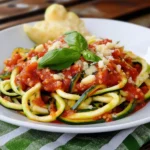
Zucchini Noodles with Marinara Recipe
Ingredients
- 4 Medium Zucchinis: Zucchini forms the heart of this recipe, providing a healthy and delicious base for your “noodles.” Opt for medium-sized zucchinis that are firm to the touch and have smooth, unblemished skin. Larger zucchinis can sometimes be seedy and watery, which might affect the texture of your noodles. When selecting zucchinis, look for a deep green color, indicating freshness. Organic zucchinis are always a great choice if available, as they are grown without synthetic pesticides. Before spiralizing, ensure you wash the zucchinis thoroughly under cool running water and trim off the ends. There’s no need to peel the zucchini as the skin is tender and adds both color and nutritional value. If you find yourself with slightly older zucchinis, you might want to remove the seedy core after spiralizing, as it can be a bit watery.
- 2 Cups Marinara Sauce: A good quality marinara sauce is crucial for bringing flavor and richness to your zucchini noodles. You have the option to use store-bought or homemade marinara sauce. For a quick weeknight meal, store-bought marinara is perfectly acceptable. When choosing a store-bought sauce, look for options with simple ingredient lists, avoiding those with excessive added sugar, salt, or artificial preservatives. Brands that use high-quality tomatoes, olive oil, garlic, and herbs will generally yield the best flavor. If you prefer to make your own marinara sauce, the possibilities are endless! A simple homemade marinara can be made with crushed tomatoes, garlic, onions, olive oil, basil, oregano, salt, and pepper. Making your own sauce allows you to control the ingredients and customize the flavor profile to your liking. For a richer sauce, you can simmer it for a longer period to allow the flavors to meld together beautifully. Whether store-bought or homemade, ensure your marinara sauce is flavorful and well-seasoned, as it’s the primary sauce for your zucchini noodles.
- 1 Pound Cooked Meatballs (Store-Bought or Homemade): Meatballs add protein and heartiness to this dish, making it a more substantial and satisfying meal, especially for growing kids. You have the flexibility to use store-bought or homemade meatballs. Store-bought meatballs are a convenient option for busy weeknights. When choosing store-bought meatballs, opt for those made with quality meat (beef, turkey, or a combination), and check the ingredient list for minimal additives and fillers. Pre-cooked meatballs are readily available in the refrigerated or frozen sections of most supermarkets. If using frozen meatballs, ensure they are fully thawed and heated through according to package instructions before adding them to the marinara sauce. Homemade meatballs, while requiring a bit more effort, are incredibly rewarding in terms of flavor and customization. You can make meatballs using ground beef, ground turkey, ground chicken, or even a vegetarian option with lentils or beans. Season your homemade meatballs with breadcrumbs, eggs, parmesan cheese, garlic, onions, herbs like parsley and oregano, salt, and pepper. You can bake, pan-fry, or simmer your meatballs in the marinara sauce itself. Simmering them directly in the sauce infuses them with flavor and keeps them moist. For a kid-friendly twist, consider smaller-sized meatballs that are easier for children to eat.
- 1 Tablespoon Olive Oil: Olive oil is used for sautéing the zucchini noodles. It adds a subtle richness and prevents the noodles from sticking to the skillet. Extra virgin olive oil is a healthy and flavorful choice. When sautéing zucchini noodles, a tablespoon is usually sufficient, but you may need to adjust slightly depending on the size of your skillet and the amount of zucchini noodles you are cooking at once. Ensure the olive oil is heated properly before adding the zucchini noodles to achieve a nice sauté without letting the oil smoke.
- Salt and Pepper to Taste: Salt and pepper are essential seasonings to enhance the flavors of both the zucchini noodles and the marinara sauce. Season the zucchini noodles with salt and pepper while sautéing to bring out their natural sweetness and balance the flavors. Similarly, taste your marinara sauce and meatballs and adjust the seasoning with salt and pepper as needed. Remember to season in layers, tasting as you go, to avoid over-seasoning. Freshly ground black pepper is always preferable for its more robust flavor compared to pre-ground pepper. For salt, sea salt or kosher salt are excellent choices.
- Optional: Grated Parmesan Cheese for Serving: Parmesan cheese adds a salty, savory, and slightly nutty flavor that complements the zucchini noodles, marinara sauce, and meatballs beautifully. It also adds a touch of elegance to the presentation. Freshly grated Parmesan cheese is always superior in flavor to pre-grated cheese. You can use a microplane or a fine grater to achieve a delicate, fluffy texture. If you don’t have Parmesan cheese on hand, other hard cheeses like Pecorino Romano or Grana Padano would also work well. For a dairy-free option, you can use nutritional yeast, which provides a cheesy, umami flavor. Parmesan cheese is entirely optional but highly recommended for those who enjoy cheese with their pasta dishes. It’s best to offer Parmesan cheese as a topping at the table, allowing everyone to add as much or as little as they prefer.
Instructions
- Prepare the Zucchini Noodles: The first step is to transform your zucchinis into noodles. The most efficient tool for this is a spiralizer. There are various types of spiralizers available, from handheld to countertop models. Choose one that suits your budget and kitchen space. To spiralize the zucchini, wash and trim the ends of each zucchini. If using a handheld spiralizer, place the zucchini in the center and twist, applying gentle pressure. For a countertop spiralizer, secure the zucchini according to the manufacturer’s instructions and crank the handle to create noodles. Spiralize all four zucchinis. If you don’t have a spiralizer, don’t worry! You can still make zucchini noodles using a vegetable peeler or a julienne peeler. For a vegetable peeler, simply peel long, thin strips of zucchini lengthwise, rotating the zucchini as you go, until you reach the seedy core. For a julienne peeler, use it lengthwise to create thin, matchstick-like noodles. While spiralized noodles resemble pasta more closely, both vegetable peeler and julienne peeler methods will yield delicious and healthy zucchini noodles. Once you have your zucchini noodles, gently pat them dry with paper towels. Zucchinis naturally contain a lot of moisture, and removing excess water will help prevent the noodles from becoming soggy when sautéed. This step is crucial for achieving perfectly tender-crisp zucchini noodles.
- Sauté the Zucchini Noodles: Now it’s time to cook the zucchini noodles. Place a large skillet on your stovetop over medium heat. Add 1 tablespoon of olive oil to the skillet and let it heat up for a minute or two until it shimmers. Ensure the skillet is large enough to accommodate all the zucchini noodles without overcrowding. Overcrowding can lead to steaming instead of sautéing, resulting in soggy noodles. Once the oil is hot, add the zucchini noodles to the skillet. Season them generously with salt and pepper. Salt helps draw out excess moisture and enhances the flavor, while pepper adds a touch of spice. Sauté the zucchini noodles for approximately 3-4 minutes, stirring frequently with tongs or a spatula. The goal is to cook them until they are tender-crisp, meaning they are slightly softened but still have a bit of bite and haven’t become mushy. Avoid overcooking the zucchini noodles, as they can become watery and lose their texture. Keep an eye on them and taste a noodle to check for doneness. They should be bright green and slightly softened. Once sautéed to your liking, remove the skillet from the heat and set aside.
- Heat the Marinara Sauce and Meatballs: While the zucchini noodles are sautéing, prepare the marinara sauce and meatballs. In a separate saucepan, pour in 2 cups of marinara sauce. Place the saucepan over medium heat and let the marinara sauce warm up gently. If you are using pre-cooked meatballs, add them to the marinara sauce now. If you are using frozen meatballs, ensure they are thawed beforehand and heated through in the sauce. If you are using homemade meatballs that are already cooked, add them to the sauce to warm through. If your homemade meatballs are uncooked, you can simmer them directly in the marinara sauce until they are cooked through. This will infuse the meatballs with the delicious flavor of the sauce. Stir the marinara sauce and meatballs occasionally to ensure even heating and prevent sticking. Heat until the sauce is simmering gently and the meatballs are heated through, which should take about 5-7 minutes. Taste the marinara sauce and meatballs and adjust seasoning with salt and pepper if needed. You can also add a pinch of red pepper flakes for a touch of heat, or a sprinkle of dried oregano or basil for extra flavor.
- Plate and Serve: The final step is to assemble and serve your Zucchini Noodles with Marinara and Meatballs. Divide the sautéed zucchini noodles among plates or bowls. A serving size of zucchini noodles is typically about 1-1.5 cups per person. Ladle a generous amount of marinara sauce and meatballs over the zucchini noodles. Aim for about ½ cup of marinara sauce and 2-3 meatballs per serving, depending on the size of the meatballs and your family’s appetite. If desired, sprinkle grated Parmesan cheese over the top of each serving. Parmesan cheese adds a wonderful savory and salty finish. Freshly chopped basil or parsley can also be used as a garnish for added freshness and visual appeal. Serve immediately while the dish is warm and enjoy your healthy and delicious Zucchini Noodles with Marinara and Meatballs!
Nutrition
- Serving Size: One Normal Portion
- Calories: 350-450
- Fat: 15-25 grams
- Carbohydrates: 20-30 grams
- Fiber: 5-7 grams
- Protein: 25-35 grams